 MEMBERSHIP LOGIN
 JOIN PRI
Get a Glimpse of Racing History at the PRI Show
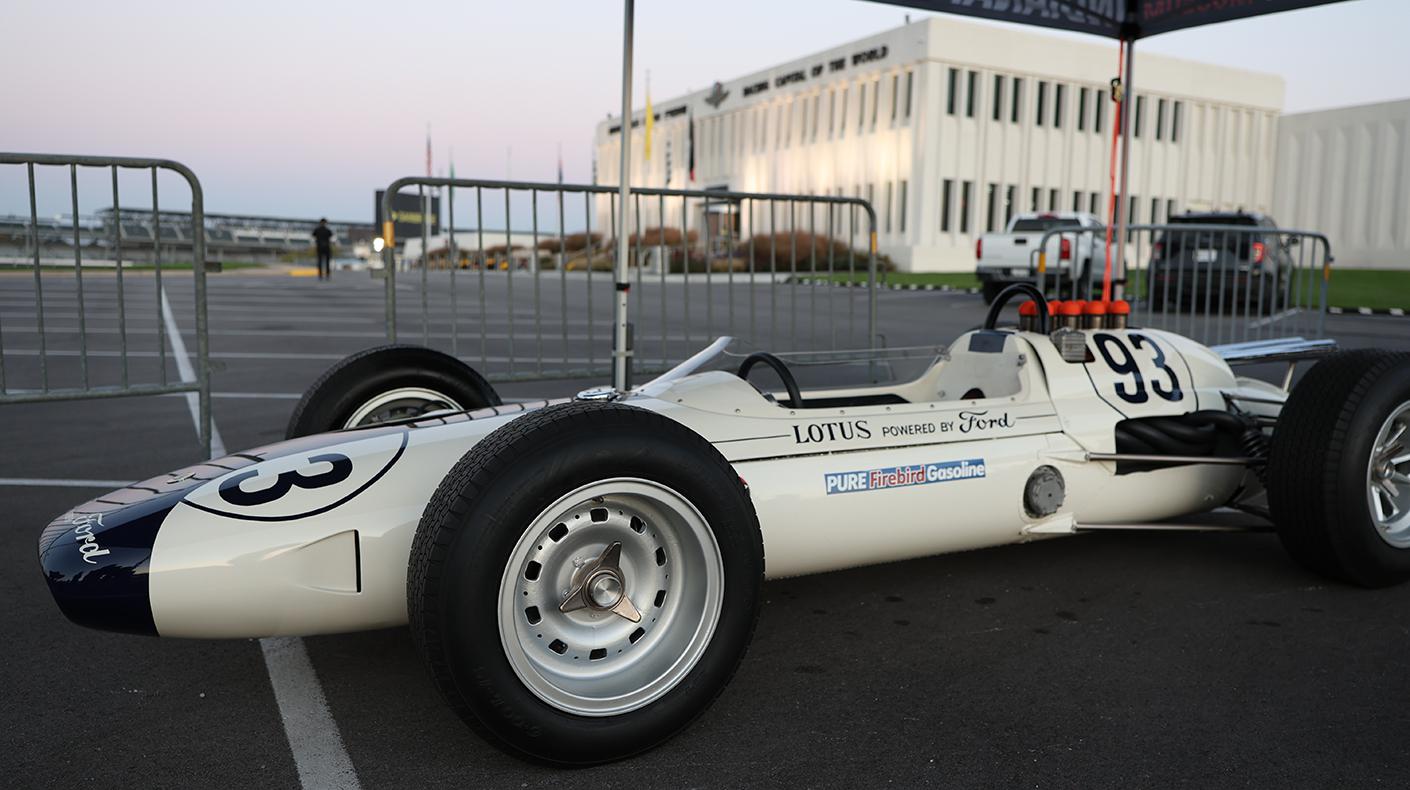
A 1963 Lotus 29 once driven by Dan Gurney, which helped kickstart the rear-engine revolution in America, will be on display in the Indianapolis Motor Speedway Museum's booth #6140 at the 2025 PRI Show next week.
When attendees arrive at the 2025 PRI Show next week, they'll see thousands of new and innovative motorsports parts and products—whether it's horsepower-boosting engine components, cutting-edge machinery that improves shop efficiency or life-saving safety advancements—that are driving the racing and performance industry toward the future. But one exhibitor is bucking that trend, instead offering today's motorsports professionals a glimpse of racing's past.
Located in booth #6140 (in the room across from the NHRA stage), the Indianapolis Motor Speedway (IMS) Museum will be shining a light on the early days of racing—and its capacity for innovation—by bringing two historic vehicles to the PRI Show floor: the 1909 Premier, an artifact from the early days of IMS and motor racing, and a 1963 Lotus 29 once driven by Dan Gurney, which helped kickstart the rear-engine revolution in America.
The 1909 Premier is a true one-of-one, according to IMS Museum Restoration Manager Dan Rosenau, and will stand in stark contrast to not only the highly engineered, cutting-edge vehicles you will find elsewhere on the Show floor, but the Lotus sitting next to it, too.
"It's basically an open frame, open engine. It's like a locomotive on wheels," Rosenau said. "The driver and riding mechanic are right up on top of the thing with the open engine in front of them. There's no oil pan on the car, the crankshaft is out in the air, as is the valvetrain, so they're just getting showered with dirt and oil driving this monstrous machine."
But what makes the car really unique, he said, is the 200-plus hand-drilled holes in the car's 3/8-in. steel frame. "Back then, they had maximum weight for race cars, not minimum weight," Rosenau said. "And you don't just fire up the Black and Decker."
The original builders of the car, which Rosenau says has "cylinders the size of paint cans," proceeded to use a hand-crank tool to drill holes all over the car in an effort to make weight.
"It's a really bizarre car," he said, "and a really cool piece."
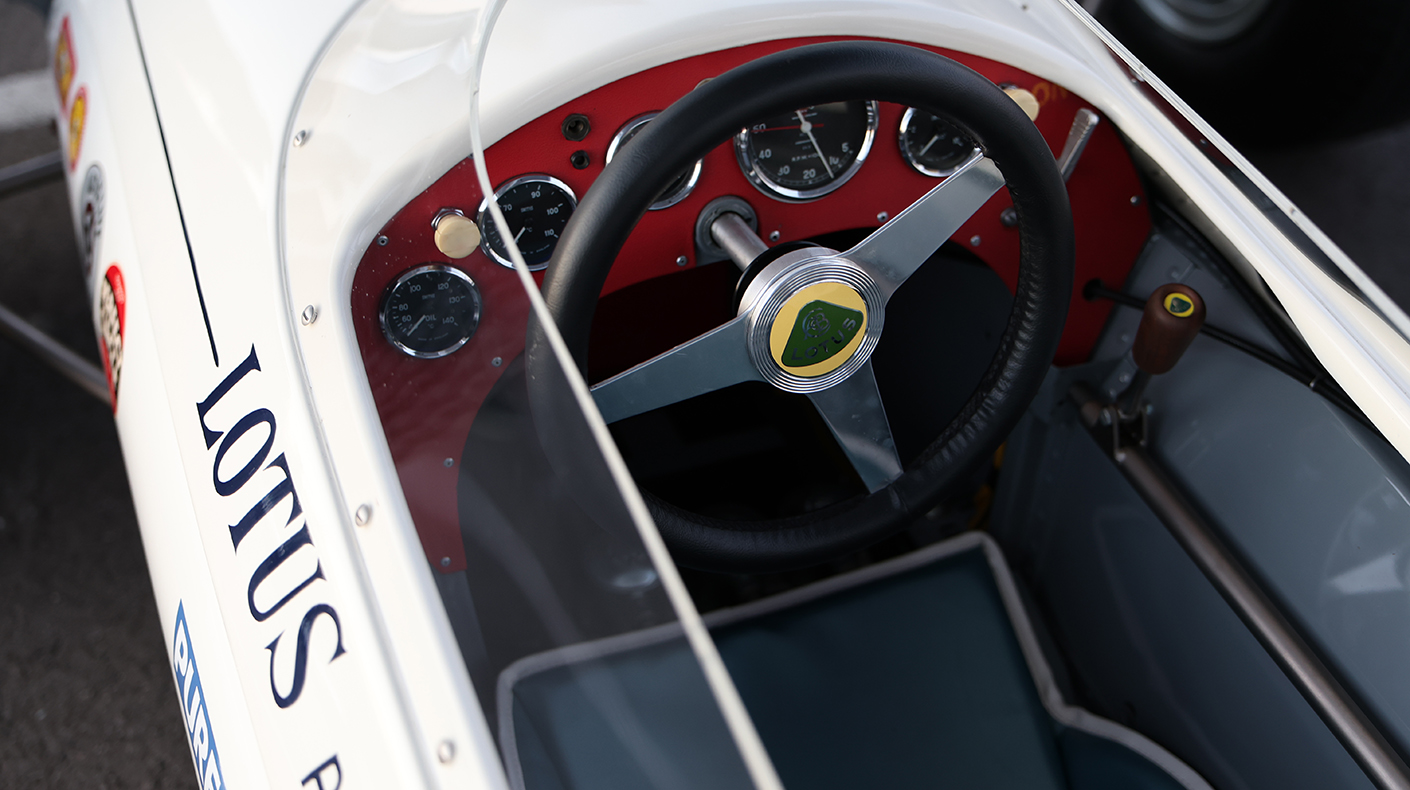
The Lotus 29 that will be on display is a bit more traditional; however, it's not without its own backstory.
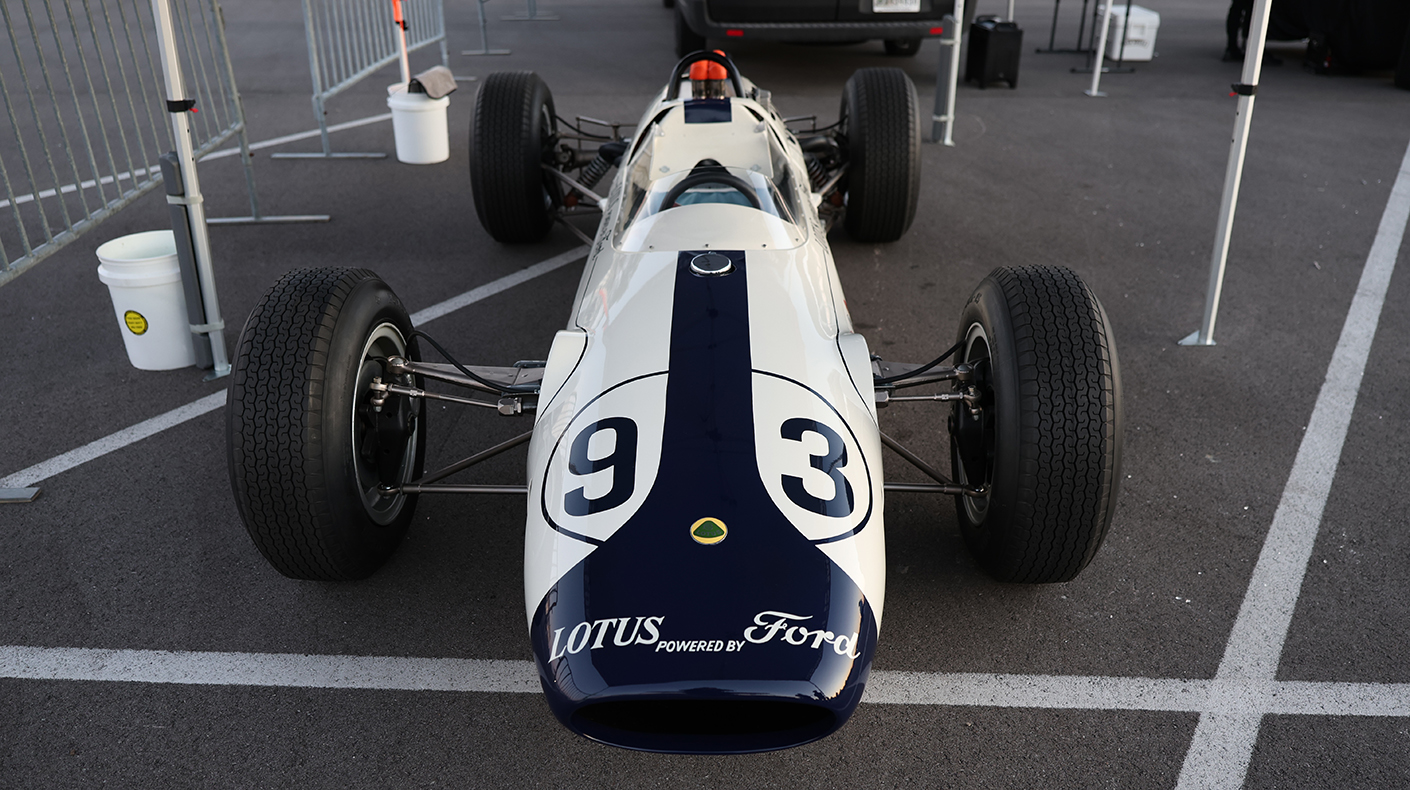
Raced to a seventh-place finish in the 1963 Indianapolis 500, Gurney's Ford-powered Lotus was one of two rear-engine cars from the British marque to be entered that year and signaled the start of a brand-new era for open-wheel racing.
It is also a product of the IMS Museum's own restoration team. The museum's in-house staff recently returned the car to its 1963 race day livery and configuration, which required Rosenau and his crew to hunt down an aluminum 260 Ford engine—like the one Gurney ran that year—to drop in the back and make it a true restoration.
The problem? Because the engine never made it to production, only a dozen or so were ever manufactured. And although it's similar to the production engine found in the Ford Mustang, nothing from the production, cast-iron engine interchanges with the aluminum version.
Thanks to some top-notch detective work, the IMS Museum sourced two new engines for the restoration: one came from a Mustang club in Detroit, the other from the famed Holman-Moody Racing shop in North Carolina, where it sat mothballed since 1962, when the team originally tested the engine for Ford. Using parts from both, the museum restoration team put together one complete, working powerplant.
It's a piece that is sure to resonate with PRI attendees, Rosenau said, and help draw attention to the museum's recent reimagining and two brand new exhibits, made possible by the recent renovation (read about the renovated IMS Museum here).
In November, the IMS Museum unveiled the new displays in its two new rotating exhibit spaces—a first since reopening earlier this year—that allow for a revolving cast of subjects, artifacts and vehicles. After previously exploring the most accomplished drivers at the track—the 500's four-time winners club—as well as NASCAR's presence at the speedway, this time the IMS Museum is highlighting some of the supporting cast that helped IMS and the Indianapolis 500 gain notoriety around the world.
"Now Stay Tuned" is one of those exhibits now open to the public and explores the role broadcasting has played in building the race's global profile. With displays comprised of early audio technology, modern-day sound equipment, hand-written notes from the broadcasters, race-worn suits from pit reporters and more, guests are able to learn the stories of broadcasters like Sid Collins, Paul Page, Bob Jenkins and even today's FOX Sports crew, who have brought the Indy 500 directly into the homes of millions.
The other new display, "Setting the Pace," gives visitors an opportunity to see some of the vehicles that have played the ever-important role of Pace Car at the Indianapolis 500. Including the cobbled-together prototype Dodge Viper that led the field to the green flag in 1991 and the '57 Mercury given to "500" winner Sam Hanks that he later used to cruise around the country with his family, the collection of eight pace cars shares the unique story of each vehicle and its contributions to the history of the Indianapolis 500.
Being at the PRI Show gives the museum a unique platform to share these exhibits with the wider racing industry.
"When you look at the PRI Show and how much it means to Indianapolis as a whole, I think it's a special opportunity to be a part of that," said Vice President of Curation and Education Jason Vansickle. "It really allows us to showcase some of our cars and then, hopefully, with the new renovations, bring people to the museum while they're here during PRI weekend."
It also lets them show off the work of their in-house restoration team in front of people who will truly appreciate and recognize it.
"We are in the room with a lot of powerhouse individuals and companies, and it really gets the word out for the museum," Vansickle added. "We're bringing two vehicles that we haven't been able to show because of the renovation closure, and one is a fresh restoration for our restoration team. It highlights the work they do and foreshadows some plans that we have. In 2027, we hope to have that as an offering for PRI guests to come see in addition to the museum."
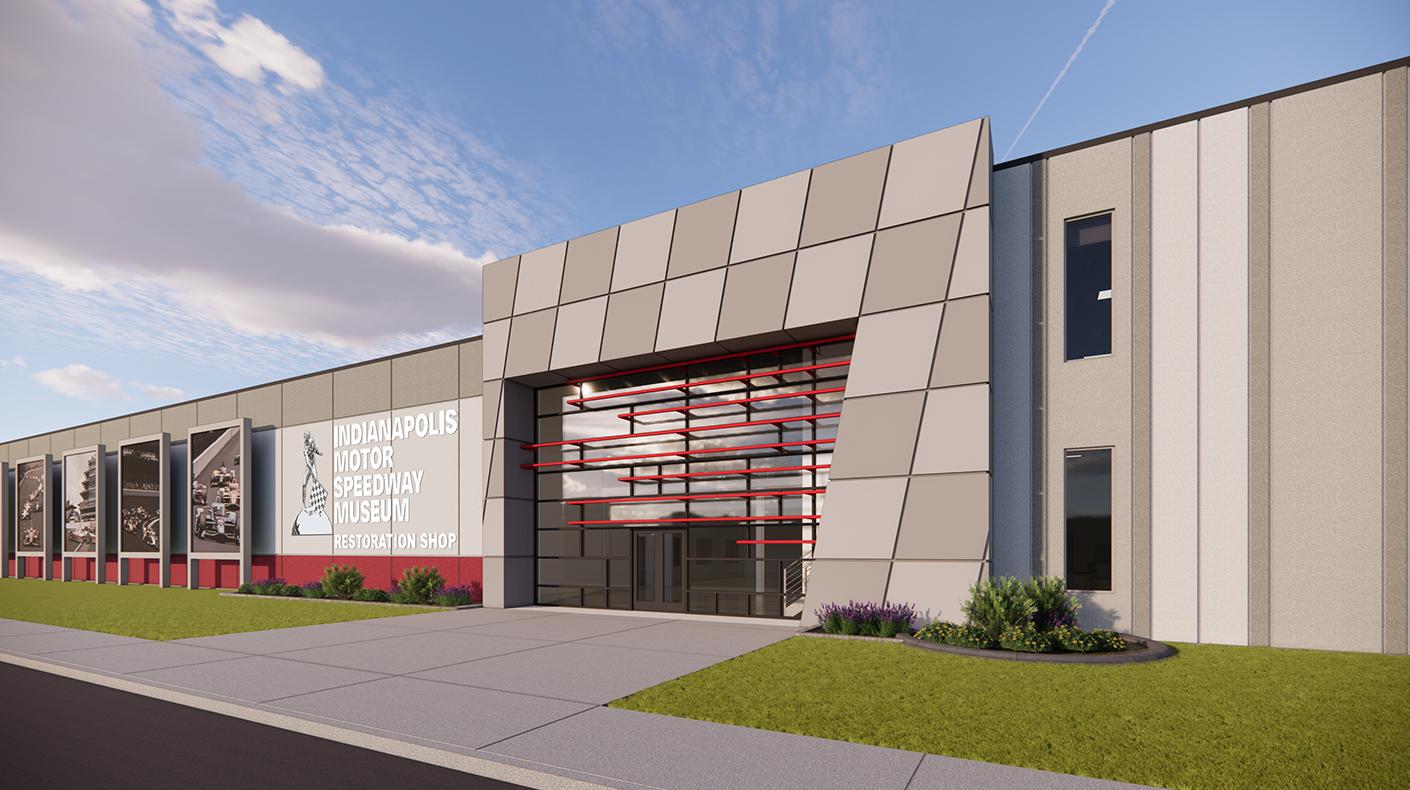
A rendering of the planned IMS Museum restoration facility.
After undergoing the multi-million-dollar renovation, the IMS Museum also announced plans earlier this year to build a new restoration and event facility located just outside of the Speedway grounds.
The new facility will provide dedicated space for the full-time restoration department to continue preserving and restoring the museum's vast vehicle collection. Covering 60,000 sq. ft, the new facility will have six restoration bays, two detailing bays and dedicated vehicle storage space, allowing for rotating exhibits, public tours and hands-on learning classes for students interested in pursuing careers in automotive engineering and restoration.
It's a mission that reflects the history of the racing industry, as well as its future.
"When you look at the motorsports and automotive industry, you look at how much the Indianapolis Motor Speedway and its legacy has impacted that today and in the past," Vansickle said. "It's nice to be there, showcase the historical vehicles and support PRI and what they do for the industry that weekend."
For more information, visit imsmuseum.org.