 MEMBERSHIP LOGIN
 JOIN PRI
Boston Ready To Host Inaugural GP
Image
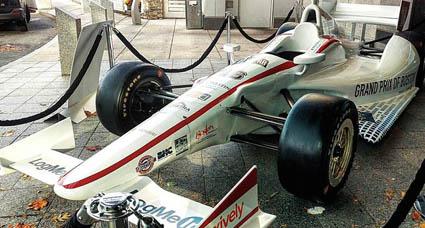
The inaugural Grand Prix of Boston IndyCar race is 130 days away and, according to the event's CEO, the time to question whether it will take place has passed.
"This race is happening," John Casey said. "We have had every timetable set forth before us. There's always obstacles. Man-made, non-man-made. With a big event like this in a big metropolitan city, we've met every obstacle, conquered every obstacle, and anything that comes up between now and September 2 we will conquer because we have the support of the state and the city and the majority of the population."
The Verizon IndyCar Series' debut race around Boston's Waterfront area has faced more scrutiny and negativity than any brand-new event in recent memory. Set for the weekend of Sept. 2-4, Casey believes the push-back has been more of a cultural norm than a specific reaction to the city's first street race.
"I'm a native Bostonian—I understand," he said. "I think if a promoter came in from outside of Boston and tried to do this they would've abandoned the effort a long time ago, but I understand the populace. People in Boston are starting to rally around this event.
"There's always going to be people who disagree; this is the nature of Boston and what makes Bostonians special. Remember, Boston is the home of the greatest universities in the world, some of the greatest intellects and ideas. With every intelligent person, they're going to have their own views, and whether it is right or wrong I think people dig in with their ideas and they hold onto them and they fight, they fight hard. That is the Boston way. Bostonians would boo a rainbow. It's just the nature of the citizens that love the city."
Casey says Boston's unsuccessful bid to host the 2024 Summer Olympics fostered distrust within the city that remains today.
"The biggest hurdle for us is we are coming on the heels of a failed Olympic bid, which some of the major leaders of the city rallied around and tried to jam this down the throat of the city, of the citizens. And the citizens said, 'Hold on here, this doesn't make any sense.' It turned out it didn't make sense. It wasn't presented properly," he said.
"So we have taken a very pragmatic approach, more of a low-key approach. We've met our own challenges and questions head on. We're not going to rely on taxpayer money. When people say we haven't engaged the community, that is also a falsehood – we have engaged the community. We've taken feedback; we've made changes to the circuit. We've made changes to the layout (left), where the grandstands are. There will always be something to address because that is the nature of the city, and we're prepared for it."
Members of the Boston Grand Prix's leadership team, including Casey, traveled to California earlier this month to take notes from IndyCar's marquee Long Beach street race. Founded in 1975, the beachside event is the most successful North American street race and serves as a blueprint for startups like the Boston GP.
"We are following the model of Long Beach; they are the gold standard of the IndyCar Series," Casey said. "I think once we get the event in place they will see, as we saw in Long Beach, everybody is having a party. The community is fully engaged, and part of that is from the race being more than 40 years old. I would say that year one for us, the community will not be fully engaged.
"But, subsequent to that, they'll realize, the world didn't end, businesses enjoyed a nice windfall and the streets were put back the way they were. There wasn't that much interference in our daily lives. I am very confident that this is going to come off. We will continue to have challenges but we have come this far, we're not going to give up on anything."
Long Beach was started amid Southern California's rich automotive and racing culture, which helped the event grow and quickly take root. In a stick-and-ball town like Boston, overcoming the lack of hardcore familiarity with auto racing is among Casey's top priorities in the months and years ahead.
"I think, of the people that come to IndyCar, it will be different; being a native Bostonian, the only sports I knew growing up were baseball, basketball, football, hockey, and nothing else," he explained. "Part of what we're trying to do is educate the local population on what IndyCar is. The mayor himself kept referring to our event for three or four months as a NASCAR event. I would have done the same thing because we're just not as educated about IndyCar, but it's amazing to experience.
"I think when people realize what the sport is about and all that goes into it, it's not just a guy getting behind the wheel of a car and trying to race as fast as he can – there's a lot of strategy, a lot of teamwork, a lot of people with laptops monitoring their every move. I think the technology aspect of the racing is going to be very appealing to the Boston population, and the cars are highly sophisticated and so much faster than anything they've seen before. I'm confident the people of Boston will particularly enjoy this type of racing."
"This race is happening," John Casey said. "We have had every timetable set forth before us. There's always obstacles. Man-made, non-man-made. With a big event like this in a big metropolitan city, we've met every obstacle, conquered every obstacle, and anything that comes up between now and September 2 we will conquer because we have the support of the state and the city and the majority of the population."
The Verizon IndyCar Series' debut race around Boston's Waterfront area has faced more scrutiny and negativity than any brand-new event in recent memory. Set for the weekend of Sept. 2-4, Casey believes the push-back has been more of a cultural norm than a specific reaction to the city's first street race.
"I'm a native Bostonian—I understand," he said. "I think if a promoter came in from outside of Boston and tried to do this they would've abandoned the effort a long time ago, but I understand the populace. People in Boston are starting to rally around this event.
"There's always going to be people who disagree; this is the nature of Boston and what makes Bostonians special. Remember, Boston is the home of the greatest universities in the world, some of the greatest intellects and ideas. With every intelligent person, they're going to have their own views, and whether it is right or wrong I think people dig in with their ideas and they hold onto them and they fight, they fight hard. That is the Boston way. Bostonians would boo a rainbow. It's just the nature of the citizens that love the city."
Casey says Boston's unsuccessful bid to host the 2024 Summer Olympics fostered distrust within the city that remains today.
"The biggest hurdle for us is we are coming on the heels of a failed Olympic bid, which some of the major leaders of the city rallied around and tried to jam this down the throat of the city, of the citizens. And the citizens said, 'Hold on here, this doesn't make any sense.' It turned out it didn't make sense. It wasn't presented properly," he said.
"So we have taken a very pragmatic approach, more of a low-key approach. We've met our own challenges and questions head on. We're not going to rely on taxpayer money. When people say we haven't engaged the community, that is also a falsehood – we have engaged the community. We've taken feedback; we've made changes to the circuit. We've made changes to the layout (left), where the grandstands are. There will always be something to address because that is the nature of the city, and we're prepared for it."
Members of the Boston Grand Prix's leadership team, including Casey, traveled to California earlier this month to take notes from IndyCar's marquee Long Beach street race. Founded in 1975, the beachside event is the most successful North American street race and serves as a blueprint for startups like the Boston GP.
"We are following the model of Long Beach; they are the gold standard of the IndyCar Series," Casey said. "I think once we get the event in place they will see, as we saw in Long Beach, everybody is having a party. The community is fully engaged, and part of that is from the race being more than 40 years old. I would say that year one for us, the community will not be fully engaged.
"But, subsequent to that, they'll realize, the world didn't end, businesses enjoyed a nice windfall and the streets were put back the way they were. There wasn't that much interference in our daily lives. I am very confident that this is going to come off. We will continue to have challenges but we have come this far, we're not going to give up on anything."
Long Beach was started amid Southern California's rich automotive and racing culture, which helped the event grow and quickly take root. In a stick-and-ball town like Boston, overcoming the lack of hardcore familiarity with auto racing is among Casey's top priorities in the months and years ahead.
"I think, of the people that come to IndyCar, it will be different; being a native Bostonian, the only sports I knew growing up were baseball, basketball, football, hockey, and nothing else," he explained. "Part of what we're trying to do is educate the local population on what IndyCar is. The mayor himself kept referring to our event for three or four months as a NASCAR event. I would have done the same thing because we're just not as educated about IndyCar, but it's amazing to experience.
"I think when people realize what the sport is about and all that goes into it, it's not just a guy getting behind the wheel of a car and trying to race as fast as he can – there's a lot of strategy, a lot of teamwork, a lot of people with laptops monitoring their every move. I think the technology aspect of the racing is going to be very appealing to the Boston population, and the cars are highly sophisticated and so much faster than anything they've seen before. I'm confident the people of Boston will particularly enjoy this type of racing."