 MEMBERSHIP LOGIN
 JOIN PRI
Bonneville Salt Flats Speed Week Called Off
Image
For the second year in a row, organizers of the time trials on the Bonneville Salt Flats have canceled Speed Week.
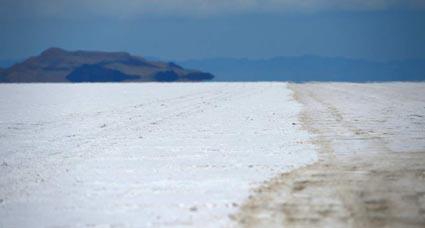
A statement circulated by the Southern California Timing Association said the condition of the salt flats limited the event to a single track of 2.5 miles. Organizers had said they needed at least one, 3-mile track in order to proceed.
Almost 600 people had pre-registered to race at this summer's event, which was scheduled to begin on August 8, according to Russ Eyers, a member of the SCTA. If it had gone forward, next month's event would have been one of the largest in its decades-long history.
Many of those racers and their teams had already paid for hotel reservations, and some overseas drivers had already shipped their vehicles to Utah for the event.
The decision—and a possible pattern of wet and muddy salt—left business owners and government leaders in Wendover worried about the future.
Wendover Mayor Mike Crawford, a life-long racing enthusiast and the owner of a local car parts store, said he's fielded questions from businesses.
Casinos in West Wendover, Nevada, will continue to draw traffic from Salt Lake City, Crawford said. But on the east side of the community, the revenue from Speed Week is what gets a lot of local hotels and businesses from one year to the next.
The mayor estimated that the city itself lost $25,000 in tax revenue after the 2014 Speed Week cancellation.
This year's reversal has locals even more worried—and not just because of the loss of revenue. Crawford said there is some concern about whether the racers will return to the salt flats if events continue to be called off.
Three other racing events are scheduled this season and have not been canceled, Crawford said, but Speed Week is the best known.
"This will make it three years since they've been able to race some of these cars," he said.
Crawford was with representatives of the timing association when they decided to cancel the races. Racers say the mud has covered 6 miles of the area they turn into a race track each year.
As a long-time Wendover resident, Crawford said he's seen that happen before. But in 40 years, he's never seen the mud flow on top of the salt flats last for an entire year.
The racers also are worried about dangerously thin salt. Last week, the BLM concluded there are areas on the flats where the salt is extremely thin or missing entirely, revealing the quick-sand gypsum mud that lies below the salt crust.
Some racers believe the mineral extraction industry—and the federal Bureau of Land Management engineers who sign off on their permits—are responsible for depleting salt concentrations over the course of several decades.
But Crawford said Wendover residents aren't as quick to complain about the extraction industry. For one thing, he said, they work for those mining companies.
"If they stop racing, nobody in their family is going to go hungry," Crawford said.
And Wendover isn't about to blame the BLM, either, he said.
A statement circulated by the Southern California Timing Association said the condition of the salt flats limited the event to a single track of 2.5 miles. Organizers had said they needed at least one, 3-mile track in order to proceed.
Almost 600 people had pre-registered to race at this summer's event, which was scheduled to begin on August 8, according to Russ Eyers, a member of the SCTA. If it had gone forward, next month's event would have been one of the largest in its decades-long history.
Many of those racers and their teams had already paid for hotel reservations, and some overseas drivers had already shipped their vehicles to Utah for the event.
The decision—and a possible pattern of wet and muddy salt—left business owners and government leaders in Wendover worried about the future.
Wendover Mayor Mike Crawford, a life-long racing enthusiast and the owner of a local car parts store, said he's fielded questions from businesses.
Casinos in West Wendover, Nevada, will continue to draw traffic from Salt Lake City, Crawford said. But on the east side of the community, the revenue from Speed Week is what gets a lot of local hotels and businesses from one year to the next.
The mayor estimated that the city itself lost $25,000 in tax revenue after the 2014 Speed Week cancellation.
This year's reversal has locals even more worried—and not just because of the loss of revenue. Crawford said there is some concern about whether the racers will return to the salt flats if events continue to be called off.
Three other racing events are scheduled this season and have not been canceled, Crawford said, but Speed Week is the best known.
"This will make it three years since they've been able to race some of these cars," he said.
Crawford was with representatives of the timing association when they decided to cancel the races. Racers say the mud has covered 6 miles of the area they turn into a race track each year.
As a long-time Wendover resident, Crawford said he's seen that happen before. But in 40 years, he's never seen the mud flow on top of the salt flats last for an entire year.
The racers also are worried about dangerously thin salt. Last week, the BLM concluded there are areas on the flats where the salt is extremely thin or missing entirely, revealing the quick-sand gypsum mud that lies below the salt crust.
Some racers believe the mineral extraction industry—and the federal Bureau of Land Management engineers who sign off on their permits—are responsible for depleting salt concentrations over the course of several decades.
But Crawford said Wendover residents aren't as quick to complain about the extraction industry. For one thing, he said, they work for those mining companies.
"If they stop racing, nobody in their family is going to go hungry," Crawford said.
And Wendover isn't about to blame the BLM, either, he said.