 MEMBERSHIP LOGIN
 JOIN PRI
Aeroscreens Likely For Indycar In 2018
Image
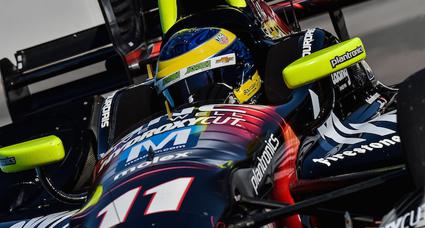
The Verizon IndyCar Series isn’t ready to confirm its solution or timeline for enhanced cockpit safety, but all signs point to aeroscreens and 2018.
IndyCar competition president Jay Frye has been vocal about the series' intentions to introduce some form of device that will reduce the likelihood of helmet strikes, and told RACER in June that no decision had been made on whether a halo or aeroscreen would be used, or when either unit would appear.
However, Frye now believes that there is doubt over whether the halo can be adapted to work on ovals.
"F1 came out and said they were doing the Halo; I don't think that is a great application for us," he told RACER. "The banking we have on ovals is different, and everything is just a little bit different for our cars and where we race."
With IndyCar apparently committed to creating a custom Aeroscreen solution for the Dallara DW12, the next questions involve where it would be used, and the most probable timeline to test, finalize, and mass produce the item to outfit dozens of primary and backup cars.
The series initially targeted the start of the 2017 season for the introduction of cockpit protection, but multiple sources have said aeroscreens are unlikely to appear before 2018. Next year has not been written off altogether, but with the growing possibility of more than one device being implemented - one for ovals, and a slightly different model for road and street courses - multiple development cycles would be required.
IndyCar is expected to gradually announce a number of safety and technology initiatives in the coming weeks and months, and as a result, Frye declined to confirm the aeroscreen as the series' choice, or the anticipated 2018 introduction, saying only that the series will take as much time as it needs to create a solution that will meet the requirements of its drivers before they appear in competition.
"The most important part of it is how it affects the driver and the safety of the driver, that is the key," he said. "We are exploring the best solution, and you can't put a date on that. It just depends on the timing of when it's ready. You're looking at the drivers' sightlines and how it affects things from inside the car. You're looking at how it affects the aerodynamics of the car.
"Once you've figured out what is the best for the driver, and it has the right safety elements to it, then how does it affect other pieces of the car? It's more than just one thing we're dealing with, and making sure it's right and it works with the rest of the car is where a lot of time is spent in development. When our competition department and our partners and our teams agree everything's ready, then we will go ahead with it."
IndyCar competition president Jay Frye has been vocal about the series' intentions to introduce some form of device that will reduce the likelihood of helmet strikes, and told RACER in June that no decision had been made on whether a halo or aeroscreen would be used, or when either unit would appear.
However, Frye now believes that there is doubt over whether the halo can be adapted to work on ovals.
"F1 came out and said they were doing the Halo; I don't think that is a great application for us," he told RACER. "The banking we have on ovals is different, and everything is just a little bit different for our cars and where we race."
With IndyCar apparently committed to creating a custom Aeroscreen solution for the Dallara DW12, the next questions involve where it would be used, and the most probable timeline to test, finalize, and mass produce the item to outfit dozens of primary and backup cars.
The series initially targeted the start of the 2017 season for the introduction of cockpit protection, but multiple sources have said aeroscreens are unlikely to appear before 2018. Next year has not been written off altogether, but with the growing possibility of more than one device being implemented - one for ovals, and a slightly different model for road and street courses - multiple development cycles would be required.
IndyCar is expected to gradually announce a number of safety and technology initiatives in the coming weeks and months, and as a result, Frye declined to confirm the aeroscreen as the series' choice, or the anticipated 2018 introduction, saying only that the series will take as much time as it needs to create a solution that will meet the requirements of its drivers before they appear in competition.
"The most important part of it is how it affects the driver and the safety of the driver, that is the key," he said. "We are exploring the best solution, and you can't put a date on that. It just depends on the timing of when it's ready. You're looking at the drivers' sightlines and how it affects things from inside the car. You're looking at how it affects the aerodynamics of the car.
"Once you've figured out what is the best for the driver, and it has the right safety elements to it, then how does it affect other pieces of the car? It's more than just one thing we're dealing with, and making sure it's right and it works with the rest of the car is where a lot of time is spent in development. When our competition department and our partners and our teams agree everything's ready, then we will go ahead with it."