 MEMBERSHIP LOGIN

Performance Backbone: Next-Generation Engine Blocks
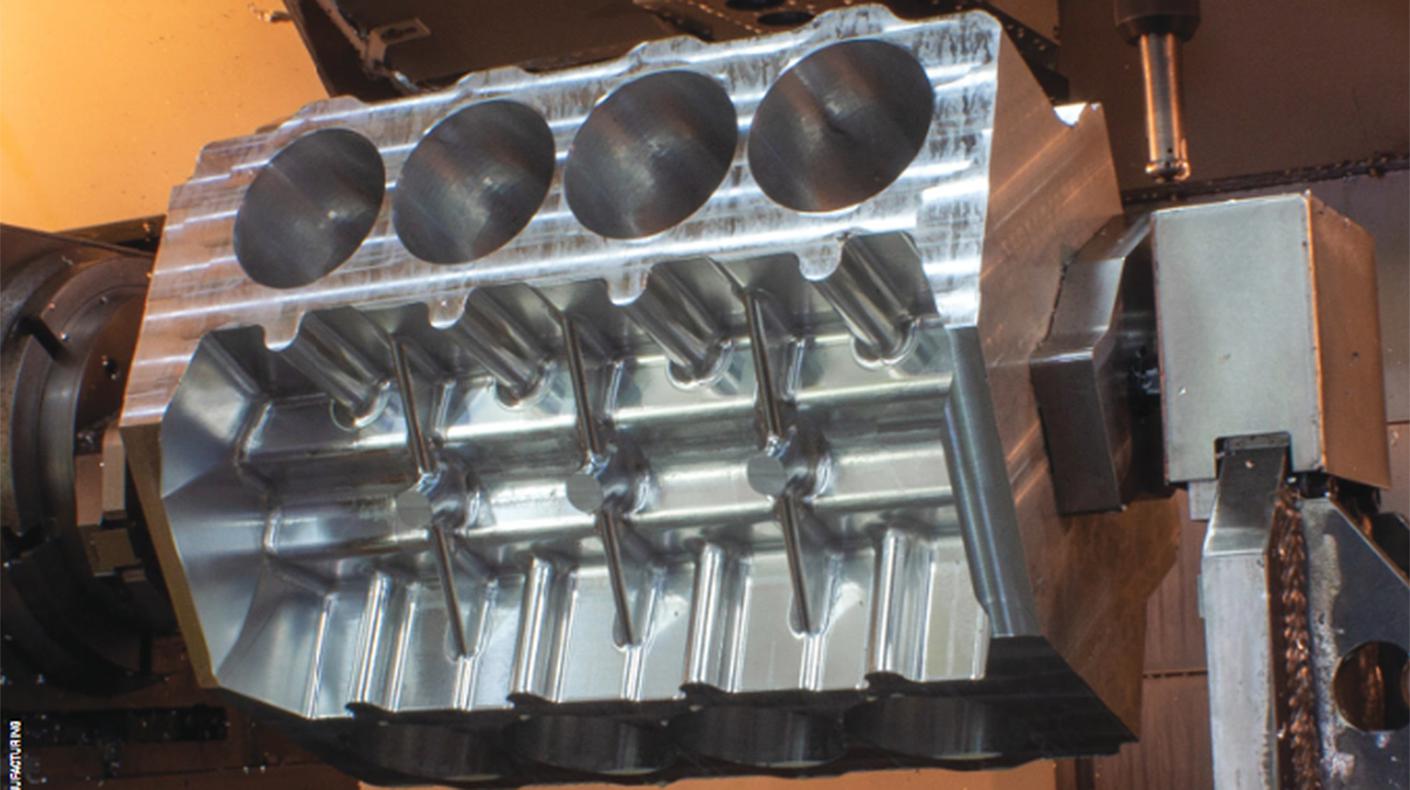
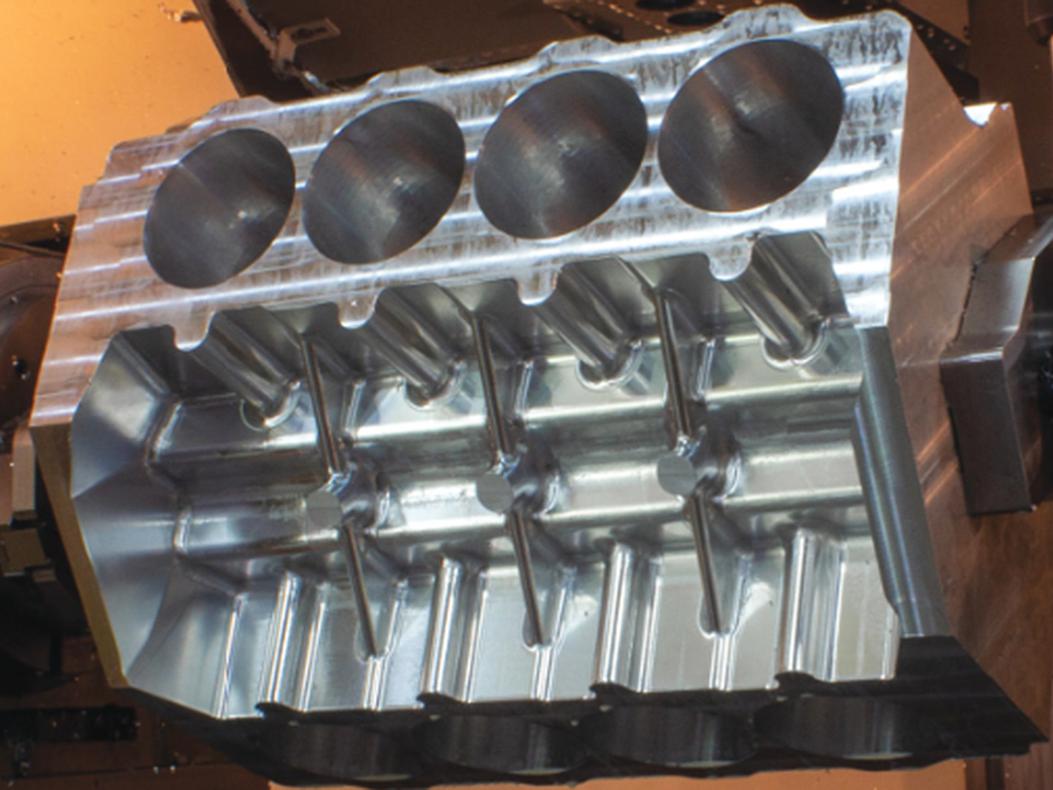
While there is still no clear resolution to the pandemic-related foundry chaos engulfing some manufacturers of iron cylinder blocks, signs point to continued new-product development in this vital aftermarket segment.
"Brodix is in the final stages of the development and production of an LS-compatible engine block. We currently have the engine block in testing and will evaluate the results soon," said Mark Fretz of Brodix, Mena, Arkansas.
"Our 1SPEC EOS block is the newest in our lineup," said Scott Patton of 1SPEC, a subsidiary of M&M Competition Engines in Franklin, Indiana. "It is a highly modified cast-iron block for the Gen 1 SBC platform and is available in both a short deck (8.000- to 8.500-inch) version as well as a mid-deck with an 8.500- to 9.025-inch height."
"We have some new avenues we're pursuing but not ready to announce yet, including aluminum, iron, and billet," added Steve Rhodey of Dart Machinery, Warren, Michigan. "These are totally new markets we've been working on and have been benchmarking for the past several months."
Increasing Supplies
While every component of an engine build is critical, no project can start until the cylinder block is in the shop and prepped to receive the parts. However, in the past five years, there have been on-and-off shortages of popular blocks, especially iron blocks used in sportsman racing and budget street builds.
The problem started during the pandemic, when hot rodders and racers were sent home, and the government poured a couple trillion dollars into the economy. People revived dormant projects or started building new racecars. That generated a tremendous demand for product, but some of those sent home were working at iron foundries in the US—foundries that had contracts with aftermarket companies. That void sent companies scrambling to find alternative foundries, which required new tooling.
"It really is hard to find a cast iron foundry with the ability to pour something the size of a block," noted Dan Bolling of World Products, Louisville, Kentucky. "You can find smaller foundries for small items, but there are only a couple big iron foundries that can handle the volume."
Then the First Brands investment group, which controls Fram, Raybestos, and other automotive companies, started acquiring foundries only to later file for bankruptcy. One foundry affected by the First Brands implosion was the Dalton Corporation in Warsaw, Indiana. Dalton has long been associated with aftermarket block manufacturers because the century-old gray-iron foundry was perfect for the performance market. It's capable of complex, highly cored castings and has nearly 100,000 tons/year melting capacity. In addition to serving a variety of interests, it had carved out a niche that was capable of pouring performance-geared cylinder blocks in quantities that didn't have to compete with OEM volumes.
Work at Dalton had been sporadic until casting operations finally ceased in April 2026. There is talk of a new buyer who may acquire the foundry assets with the intention of restarting operations, and those whispers are giving cautious optimism to the aftermarket.
"We've heard Dalton will be back online, but we just don't have a clear timeline," said Rhodey. "We have transitioned our SHP Chevy block to a foundry in Germany. That supply is now consistent, and the quality is very good. We're currently manufacturing numerous blocks per day, and we're getting our second shift back. But until that Indiana foundry fires up, we're not going to have all our offerings. Aluminum blocks, no issue. We've got good supply and machine capacity."
World Products currently has limited inventory of its iron blocks but has worked with engine builders to make adjustments and keep the builds alive. "Engine builders are flexible. If we've got something that just needs to be bored out a little, they're not going to let that hold up a job," said Bolling.
The last significant update in the World Products lineup was for the small block Chevy. The tooling was modified for a 0.700-inch deck and allow for a step-nose camshaft. Prior to COVID-19, the big block Chevy block was updated. "The SBC and BBC are still the two biggest movers for us. The small block Ford tooling was updated about 10 years ago, but it still works great," added Bolling.
One iron-block supplier that isn't caught up in the domestic foundry mayhem is BluePrint Engines in Kearney, Nebraska. The company was a leading remanufacturer of popular engines for both performance consumers and industrial applications but was running out of "seasoned" blocks to start the builds. Also, BluePrint wanted to offer higher horsepower options, and blocks made in the 1980s simply weren't up to the task.
That shortfall prompted the company to set up an engineering shop to design its own replacement cast-iron cylinder blocks that could be cast in Europe and then machined in-house for improved quality control. Also, designing its own cylinder blocks allows BluePrint Engines to shift its business direction away from remanufacturing toward performance.
"Most of our product line is primarily used in street-driven classic muscle cars and grassroots-level racing," said Jason Bruce. "We carry a solid amount of inventory in our warehouse, and our products are also in inventory at major performance retailers like Summit Racing, JEGS, and Speedway Motors."
The company is also gearing up for more racing interests.
"BluePrint is taking a run at developing more motorsports engines for the grassroots-level racers," added Bruce. "We currently have a 396-cubic-inch, small-block-Chevy compatible, two LS compatible long blocks (naturally aspirated and power adder), 632-cubic-inch, big-block-Chevy compatible, and we are coming out with a motorsports small-block-Ford compatible 363 cubic inch, which will be very exciting."
Another way BluePrint is moving forward is by utilizing robotics in the manufacturing process. "Especially areas like head-bolt tightening, line honing, etc. These help us in areas that are difficult to handle with people power and allow us to take our valuable team members to do important jobs. We are also continuing to focus efforts on manufacturing process improvements, which help our capacity and quality,” Bruce.
To read the full article, plus hundreds of other articles like it for free, sign up for a digital subscription to PRI Magazine on Zinio here.
Once you download the Zinio mobile app or are logged into Zinio on a desktop browser, you will gain immediate access to more than a year's worth of content, including "Performance Backbone: Next-Generation Engine Blocks" here and additional coverage in the November 2026 issue here.